The Vermont Farm to Table Experience
A Culinary Journey Rooted in Sustainability
Nestled in the heart of New England, Vermont is more than just maple syrup and scenic mountain views—it’s a pioneer in the farm to table movement. With its rich agricultural heritage, passionate farmers, and award-winning chefs, Vermont offers a culinary experience that’s as fresh as it is flavorful.
Whether you’re a foodie, a sustainability advocate, or a curious traveler, the Vermont farm to table experience is a journey worth savoring.
What Is Farm to Table?
The farm to table concept emphasizes sourcing ingredients directly from local farms, minimizing the distance food travels, and supporting sustainable agriculture. In Vermont, this isn’t just a trend—it’s a way of life.
From heirloom vegetables and grass-fed beef to artisan cheeses and craft ciders, Vermont’s bounty is celebrated in every bite.
Why Vermont Leads the Farm to Table Movement
- A Deep Agricultural Legacy
Vermont is home to over 6,800 farms, many of which are family-owned and operated. The state’s commitment to organic and regenerative farming practices ensures that food is not only delicious but also environmentally responsible.
- A Thriving Culinary Scene
Cities like Burlington, Montpelier, and Brattleboro boast restaurants that partner directly with local farms. Chefs craft seasonal menus that reflect the freshest ingredients available—often harvested the same day.
- Community-Supported Agriculture (CSA)
Vermont has one of the highest per capita rates of CSA participation in the U.S. Locals and visitors alike can subscribe to weekly farm boxes filled with produce, dairy, meats, and more.
Must-Visit Farm to Table Destinations in Vermont
- Hen of the Wood (Waterbury & Burlington) – A James Beard Award-winning restaurant known for its rustic elegance and hyper-local sourcing.
- Shelburne Farms (Shelburne) – A working farm, education center, and inn offering immersive farm-to-table dining experiences.
- The Farmhouse Tap & Grill (Burlington) – A gastropub that champions Vermont’s craft beer and local food scene.
- Cloudland Farm (Pomfret) – A true farm-to-fork restaurant located on a 1,000-acre working farm.
Seasonal Highlights
- Spring: Foraged ramps, fiddleheads, and maple syrup season.
- Summer: Berries, sweet corn, heirloom tomatoes, and farmers markets.
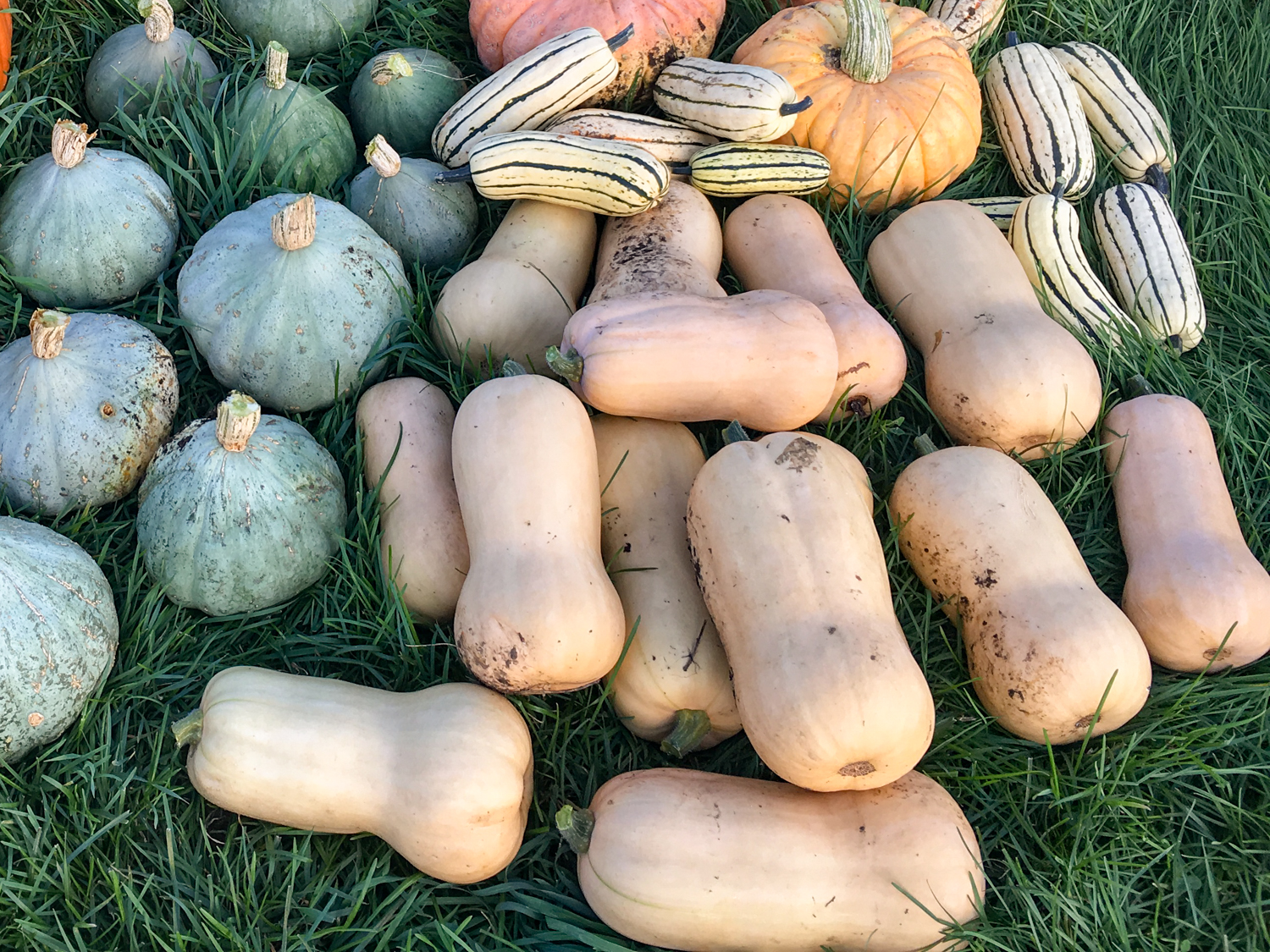
- Fall: Apples, squash, root vegetables, and cider donuts.
- Winter: Hearty stews, aged cheeses, and cellar vegetables.
How to Experience It Yourself
- Take a Farm Tour: Many Vermont farms offer guided tours, tastings, and hands-on workshops.
- Visit a Farmers Market: With over 70 markets statewide, you can meet the growers and sample their goods.
- Stay on a Farm: Agritourism is booming—book a stay at a working farm for a truly immersive experience.
- Dine Local: Look for restaurants that highlight local farms on their menus or use the “Dig In Vermont” directory.
Conclusion
The Vermont farm to table experience is more than a meal—it’s a connection to the land, the people, and the values that make this state so special. Whether you’re enjoying a gourmet dinner or picking apples straight from the tree, Vermont invites you to slow down, savor, and support a sustainable future.